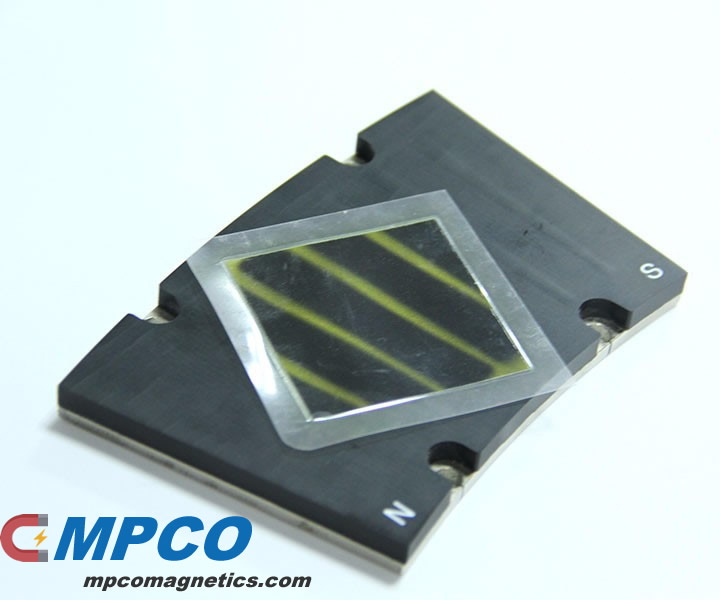
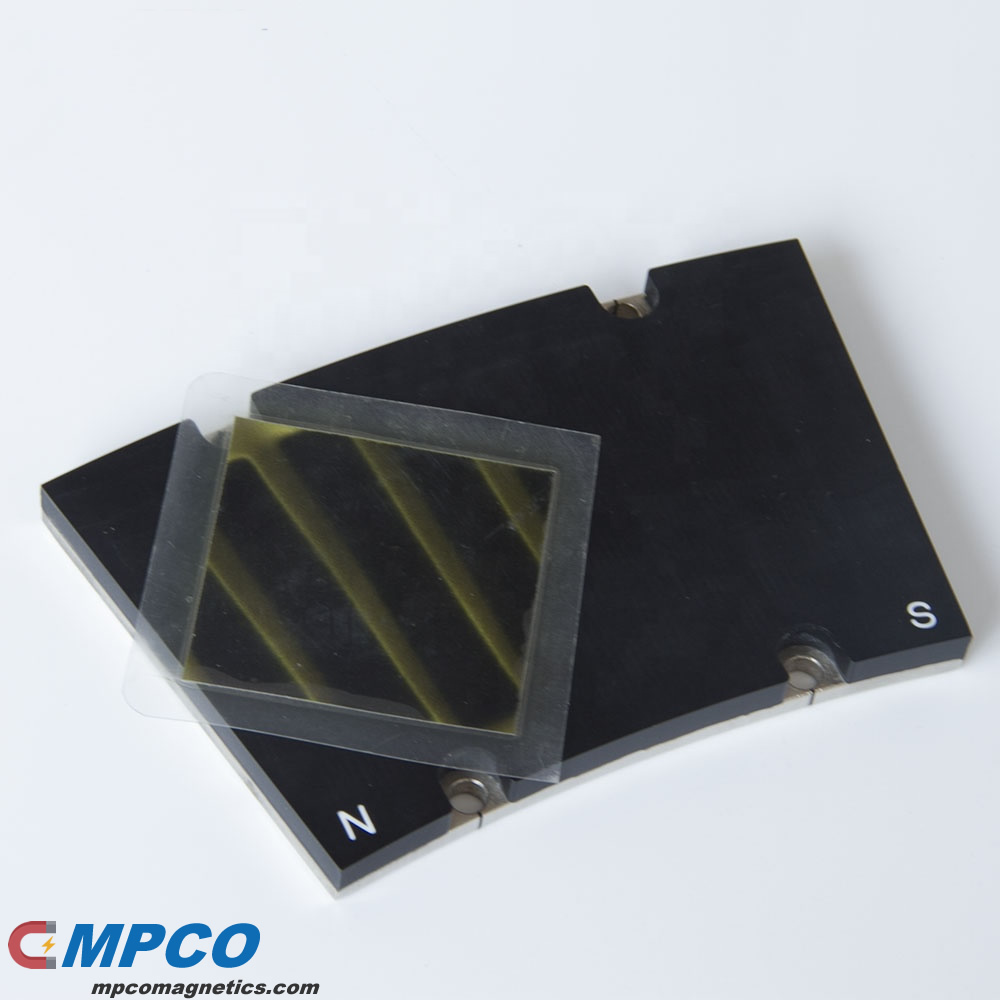
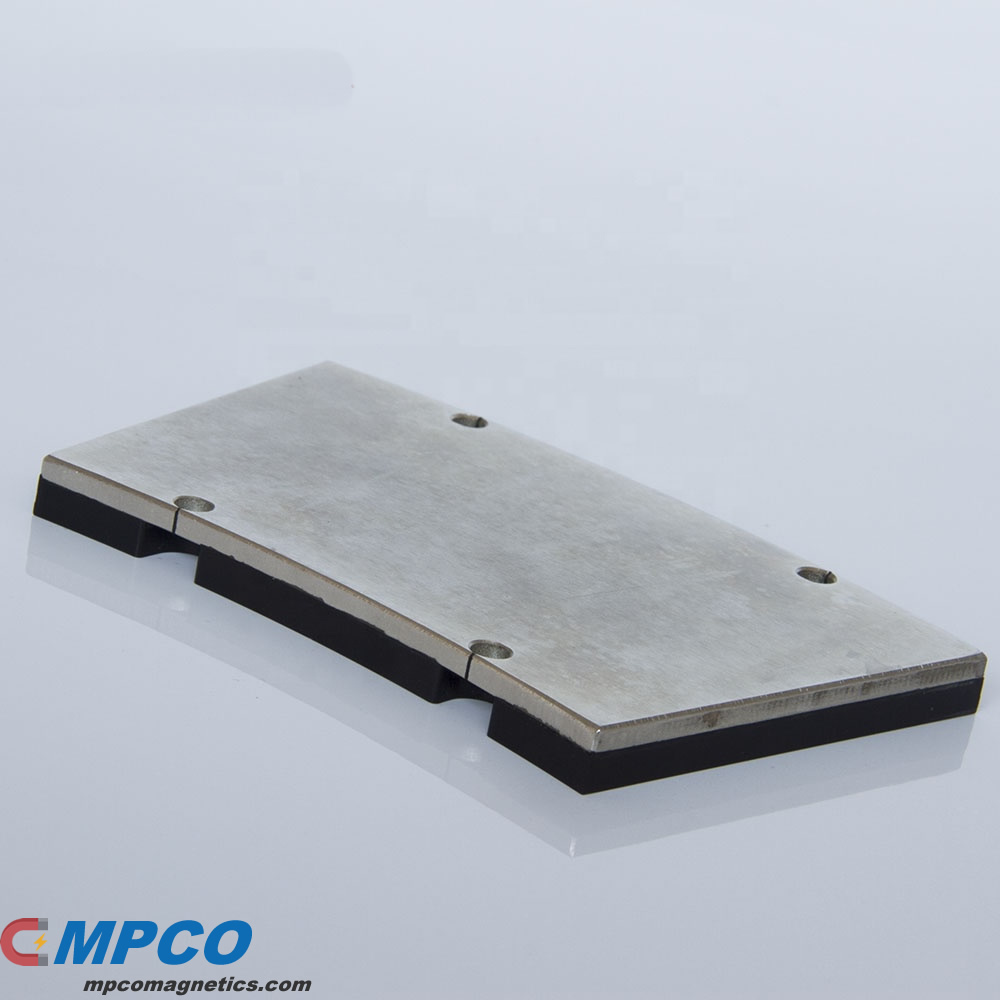
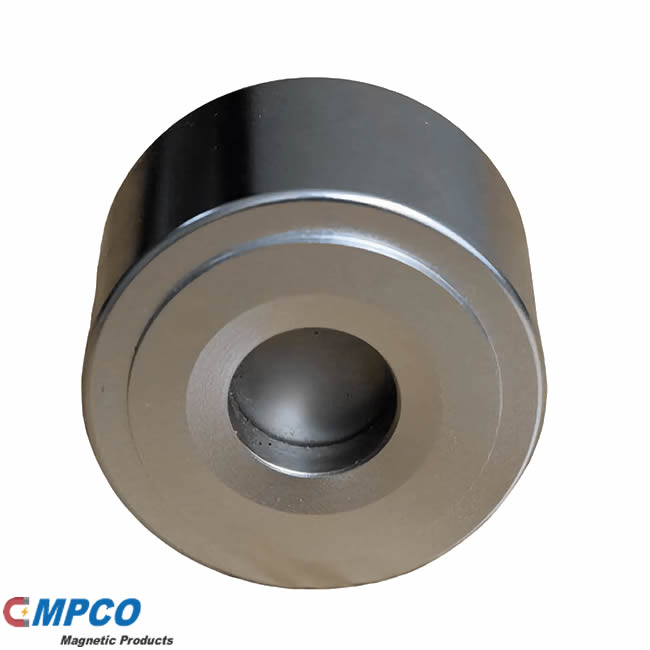
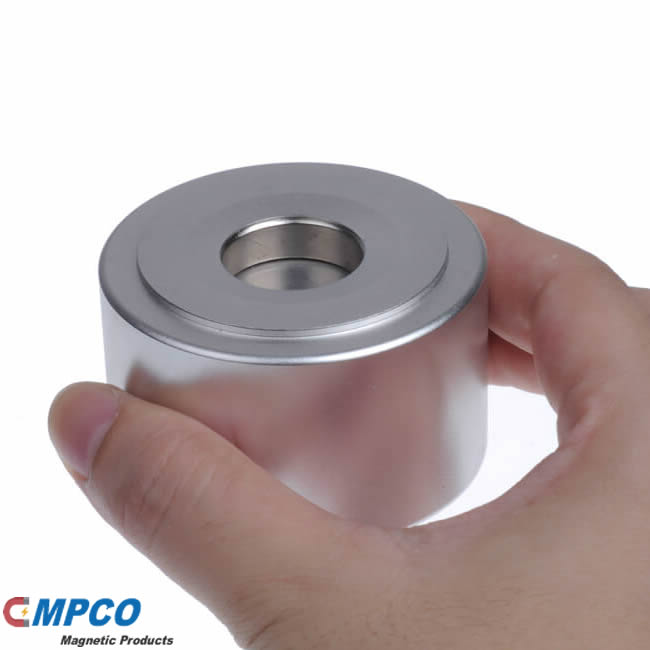
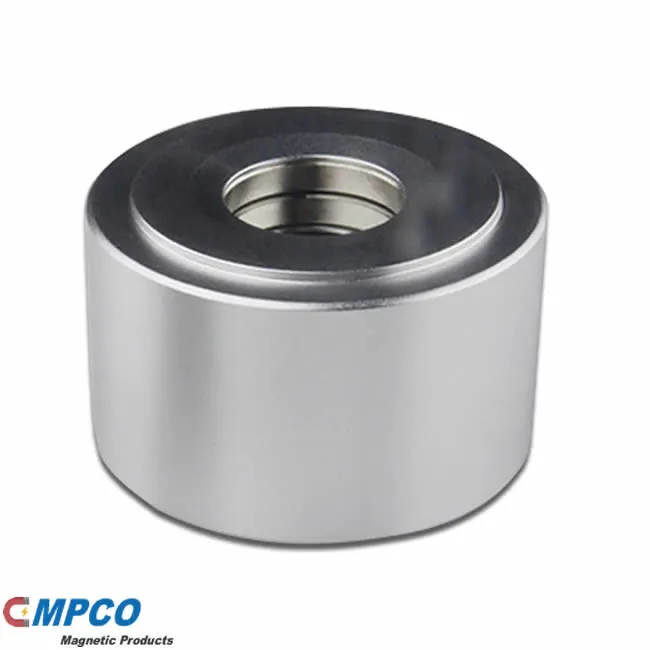
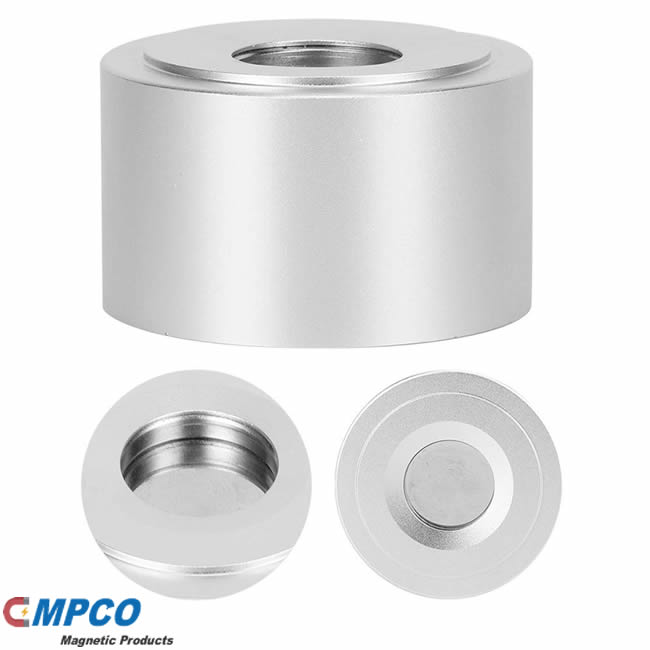
Curved Linear Motor Stator Magnet, Brushless Curved Permanent Magnet Linear Motor Stator Magnetic Assembly, Industrial Magnet, Curved Linear Motor Magnetic Stator Assemblies China Supplier & Factory
Curved Linear Motor Stator Magnet Features:
Material NdFeB Magnet, Steel Hardware
Coating Passivation & Phosphating, Ni, Ni-Cu-Ni, Zn, CR3+Zn, Tin, Gold, Sliver, Epoxy , Teflon and more.
Magnetization Direction Radially Magnetized, Axially Magnetized, etc.
Grade N35-N52 (M.H.SH.UH.EH.AH)
Size Customized Size
Used Industrial Application
A linear motor is an electric motor that has had its stator and rotor “unrolled” so that instead of producing a torque(rotation) it produces a linear force along its length. However, linear motors are not necessarily straight. Characteristically, a linear motor’s active section has ends, whereas more conventional motors are arranged as a continuous loop.
1. Materials
Magnet: Neodymium Magnet
Hardware part: 20# steel, martensitic stainless steel
2. Application
“U-channel” and “flat” brushless linear servomotors have proven ideal for robots, actuators, tables/stages, fiberoptics/photonics alignment and positioning, assembly, machine tools, semiconductor equipment, electronic manufacturing, vision systems, and in many other industrial automation applications. Neodymium Magnet Composite Magnetic Rotor Assembly
The Magnetic Motor Parts could be produced according to the supplied drawings.These products are ONLY supplied to the specified clients who supply the drawings.
The motor is all about magnets and magnetism: usesmagnets to create motion. If you have ever played with magnets you know about the fundamental law of all magnets:
Opposites attract and likes repel. So if you have two bar magnets with their ends marked “north” and “south,” then the north end of one magnet will attract the south end of the other.
On the other hand, the north end of one magnet will repel the north end of the other (and similarly, south will repel south). Inside an electric motor, these attracting and repelling forces create rotational motion.
The armature (or rotor) is an electromagnet, while the field magnet is a permanent magnet (the field magnet could be an electromagnet as well, but in most small motors it isn’t in order to save power).
Related