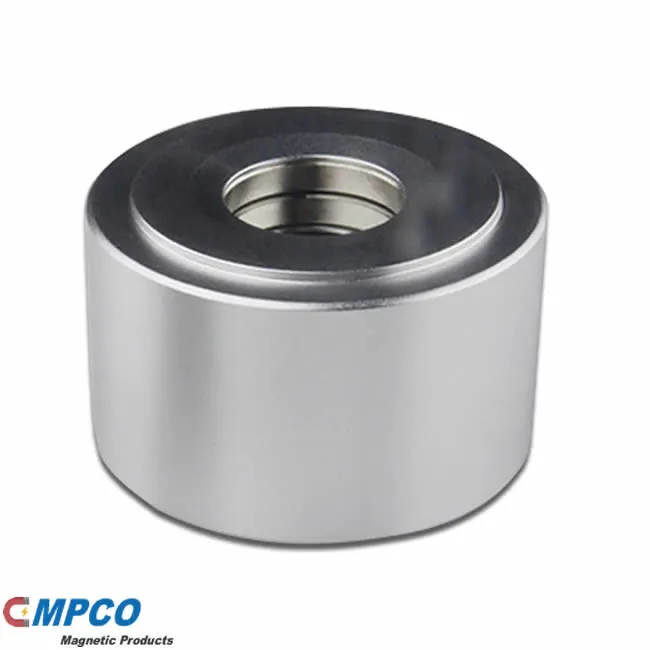
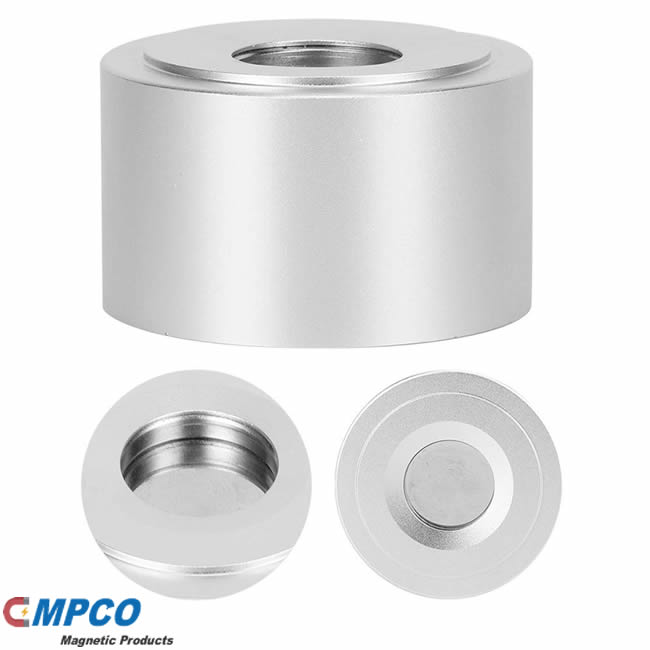
Waved Pole Pitch Electromagnetic Chuck, Electromagnetic Grinding Chuck, Finepitch Electromagnetic Chuck, Magnetic Table, FINE-POLE ELECTROMAGNETIC CHUCK, FINE-LINE ELECTROMAGNETIC CHUCK, Fine Pitch Electro Permanent Magnetic Chucks For Grinding Machine, Electro Perm Magnetic Chucks Fine Pitch for Grinding Machine, Electromagnetic Rectangular Magnetic Chuck (Fine Pitch) China supplier factory
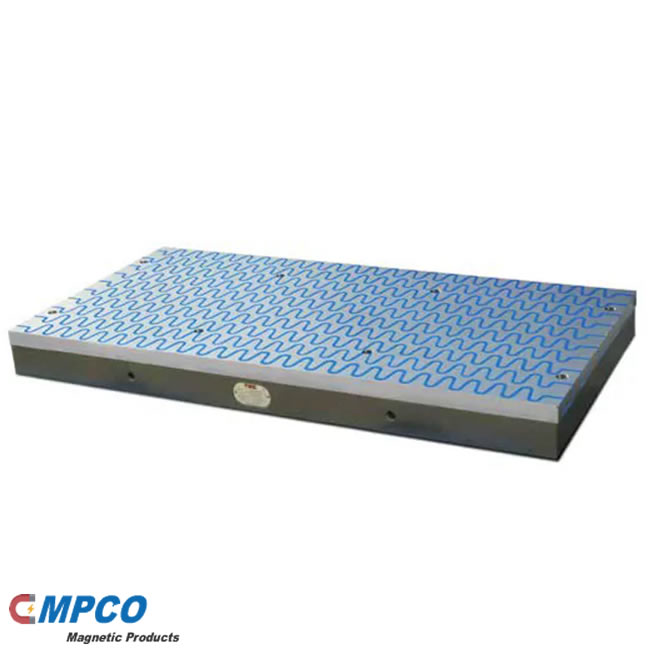
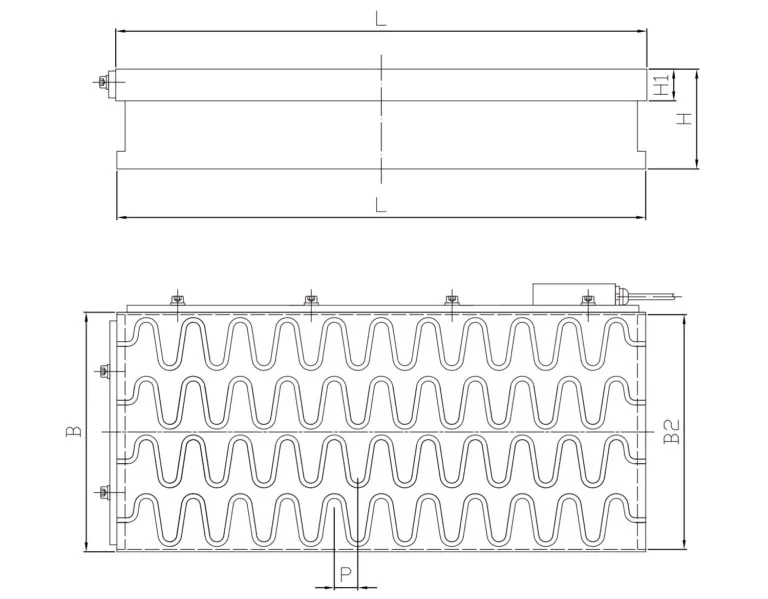
Waved Pole Pitch Electromagnetic Chuck Specifications: Model: MP-EMT Series Use: For versatile clamping on a broad range of workpiece sizes Pole pitch 11 / 14 / 20 /25 / 36 mm Highest uniform clamping force up to 160 N/cm² Less than 5°C chuck temperature rise after 1 hour working Mono-block housing for maximum stability Low current with minimum power consumption Low profile for more wheel head clearance Full surface magnetic power
The fine-pole electromagnetic chuck is also called the fine-pitch or fine-line electromagnetic chuck. It is one of the work-holding systems that are commonly involved in the modern machining and manufacturing sector. A work-holding system, or a clamping device, is a necessary element in any machining processes we know today. The primary goal of a work-holding system is to hold a workpiece in place so that the machine tool gets to perform operations on it. The fine-pole electromagnetic chuck is unique among all other clamping devices such as vises, jaw chucks, vacuums, etc. because of its construction and the mechanism it uses to clamp the workpiece.
Each type of work-holding device finds its way to firmly secure a workpiece during a machining process. Their clamping mechanism brings about several advantages in terms of efficiency but also comes with several limits. Take jaw chucks for example. Jaw chucks, or simply chucks, have a couple of sets of jaws (typically three or four jaws) that form a claw-like structure. It works very much like a hand that uses fingers to grip an object. Such a clamping mechanism is intuitive and works just fine in most scenarios, but it is inefficient in handling workpieces with certain dimensional characteristics. That is where the electromagnetic/magnetic chuck weighs in.
How does the fine-pole electromagnetic chuck clamp a workpiece?
Simply put, the fine-pole electromagnetic chuck uses magnetism to hold a workpiece. Instead of using jaws to exert the clamping force onto the workpiece, the electromagnetic chuck holds and releases the workpiece by the force of magnetic attraction and repulsion. It uses the simple physical principle that the opposite poles attract each other and the same poles repel each other to secure a workpiece. The electromagnetic/magnetic chuck can create magnetic fields on the top plate and magnetize the metal workpiece temporarily to create a strong attraction between the workpiece and the chuck, hence the workpiece is clamped. Electromagnetic Rectangular Magnetic Chuck (Fine Pitch)
How does electromagnetism work?
To create the magnetic field and generate the clamping force, the two imperative elements in an electromagnetic unit are the electric force and the magnetic force. The presence of the electric force induces the magnetic force. In a typical electromagnetic unit construction, there is a wire (conductor) that winds around a core (ferromagnetic material, usually steel or iron), creating an electromagnet. The wire connects to a power source that provides the electric current to the electromagnet.
Such a configuration allows for a controllable magnetic force. When the current passes through the wire coil, the magnetic field is created within the coil and turns the core into a magnet. When the power is cut off, the current stops passing through and the magnetic field ceases to sustain. Resultingly, the magnetic force disappears. The key feature of the electromagnet is that its magnetic force is proportional to the electric force. The higher the current, the stronger the magnetism, hence the more versatile the application. For this reason, electromagnets have been put into a wide spectrum of industrial and commercial uses upon their discovery, with the electromagnetic chuck being one of the most prevalent applications. Magnetic Table Fine Pitch Electromagnetic Chuck
Characteristics of fine-pole electromagnetic chucks
As mentioned earlier, each type of work-holding device works best in certain fields of application. The fine-pole electromagnetic chuck can create a stable clamping force across the surface of the top plate. This makes it ideal for clamping thin, flat workpieces. The magnetic force is distributed evenly on the top plate, so it is less likely to distort the workpiece than the jaw chuck. The magnetic force is strong enough to grip the workpiece firmly while resisting the vibration and impact from the cutting bit. Though having a great magnetic force, the chuck does not influence the operation of the cutting bit. The low magnetic field created by the extra small transverse poles makes sure no magnetic force influences the metal cutting bit. Fine Pitch Electro Permanent Magnetic Chuck
Aside from the low magnetic field, the electromagnetic chuck renders more freedom of machining to the machine tool because of the jawless design. The machine tool can only cut the workpiece on the top side. The accessibility to the other sides is limited because of the jaws. However, using the electromagnetic/magnetic chuck, the machine tool can process the workpiece on five sides. The five-side accessibility facilitates the machining process and improves the overall efficiency profoundly, which explains why the electromagnetic chuck is preferable to more and more shops.
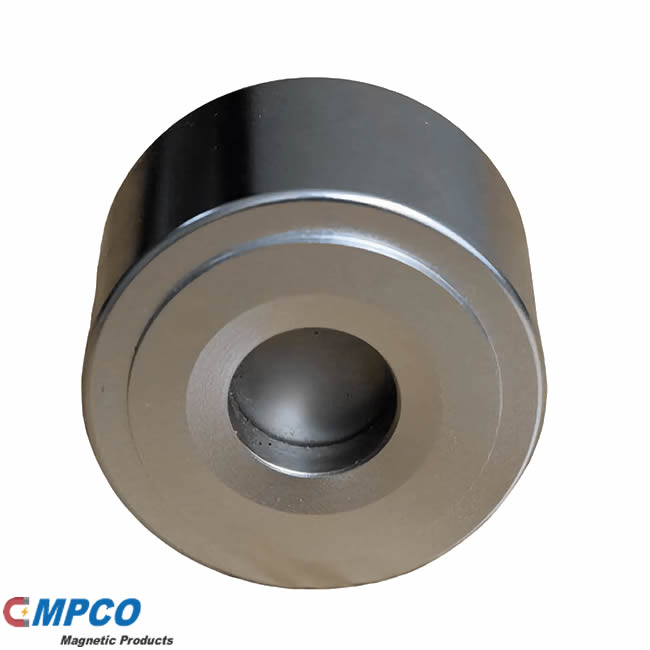
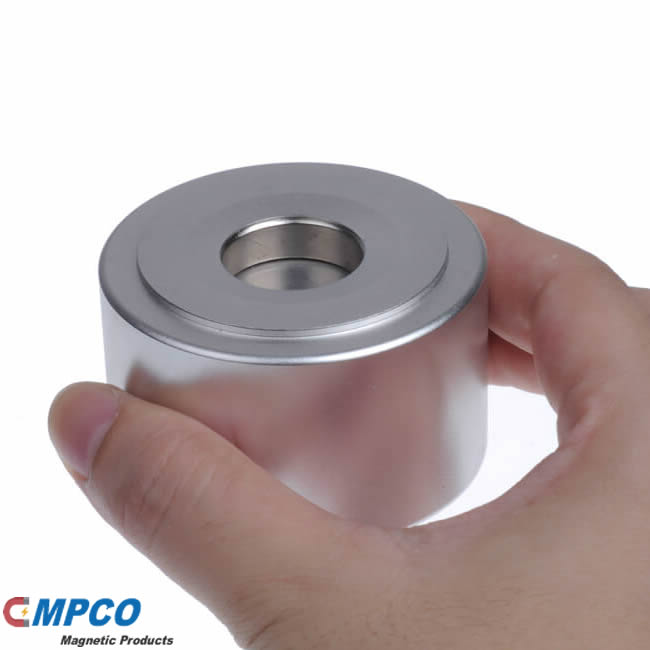
15000GS EAS Hard Tag Magnetic Detacher Clothing Alarm Tag Remover, Hard Tags Security Remover Magnetic Unlocker Detacher EAS, Supermarket Anti Theft Tag Remover Lock EAS Detacher Magnet, Pouch Magnetic Opener Buckle Detacher Magnet, Strong Magnetic Detacher Tool, Universal Security Tag Remover, Supermarket Metal Tag Remover, Magnetic Security Tag Remover for Clothing Strong Detacher Tool Retail […]
High Strength Magnetic Tag Removal Device, Hard Tags Security Remover Magnetic Unlocker Detacher EAS, Supermarket Anti Theft Tag Remover Lock EAS Detacher Magnet, Pouch Magnetic Opener Buckle Detacher Magnet, Strong Magnetic Detacher Tool, Universal Security Tag Remover, Supermarket Metal Tag Remover, Magnetic Security Tag Remover for Clothing Strong Detacher Tool Retail Store Home Use Quick […]
High-Strength Magnetic Superlock Cone Hard Tag Detacher, Hard Tags Security Remover Magnetic Unlocker Detacher EAS, Supermarket Anti Theft Tag Remover Lock EAS Detacher Magnet, Pouch Magnetic Opener Buckle Detacher Magnet, Strong Magnetic Detacher Tool, Universal Security Tag Remover, Supermarket Metal Tag Remover, Magnetic Security Tag Remover for Clothing Strong Detacher Tool Retail Store Home Use […]
15000GS Commercial Retail Store POS Security Tag Remover Magnets, Hard Tags Security Remover Magnetic Unlocker Detacher EAS, Supermarket Anti Theft Tag Remover Lock EAS Detacher Magnet, Pouch Magnetic Opener Buckle Detacher Magnet, Strong Magnetic Detacher Tool, Universal Security Tag Remover, Supermarket Metal Tag Remover, Magnetic Security Tag Remover for Clothing Strong Detacher Tool Retail Store […]